Yes, anything that you post on TikTok, Instagram, Facebook, Twitter/X, and other social media platforms (including “anonymous” ones like Reddit or Discord), can and likely will be used by the prosecution against you in criminal legal proceedings. The internet is forever, and nothing that you post online is truly private, even if your social media accounts are set to “private.”
It’s critical to follow your Lake Charles criminal defense attorney’s advice about your social media activity to the letter, to avoid unintentionally incriminating yourself (the prosecutor can twist even the most innocent posts against you). And, it’s important to know how to protect yourself during a criminal investigation.
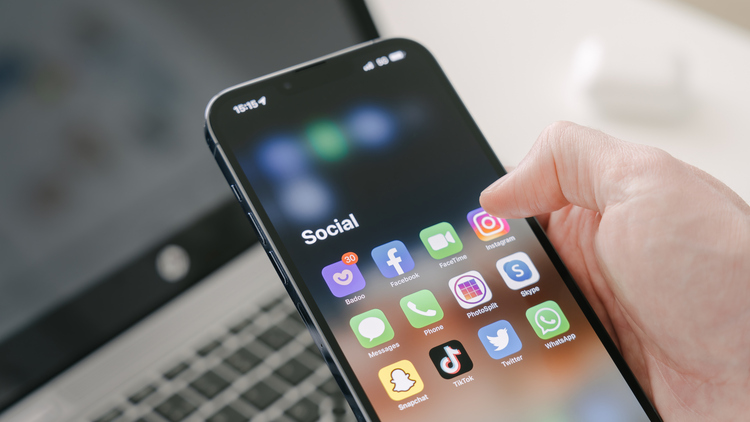
Private investigators working for law enforcement can dig through your social media posts to disprove your alibi or find other evidence against you. As long as your social media content meets the rules of evidence set by the state, it’s admissible in court. So, what exactly can the police and prosecutors use against you?
Any photos or videos of you that could relate to the case may be used against you, such as a tagged photo placing you at the location of an alleged crime or images showing you with co-defendants. In Lake Charles and throughout Louisiana, prosecutors routinely review social media activity when building a case, especially in criminal and DUI matters.
Reels, stories, or photos that show you engaging in online activity connected to the alleged offense—such as drinking with friends in the hours before a DUI arrest—can also be introduced as evidence, even if they were posted casually or intended for a limited audience.
Any check-ins or posted locations can be used as evidence of your whereabouts at the time of the crime. If you tell the police you were in one place, but a social media post shows you at another, your alibi could be contested. Worse yet would be a post or tag from a friend showing you at the location of the crime at the time it was committed.
Any DMs or other social media messages between you and another person may be used in court. Discussions of plans between you and a friend could be taken out of context, or any conversation about the crime after the fact, even if it’s “did you hear what happened?”, could be used as evidence against you.
Posts indicating your mental state, like vents about being arrested, posts you make arguing your innocence, or responses to other people’s posts about you, can be taken out of context and argued as an admission of your involvement.
Even posts unrelated to the crime itself could be used to impugn your character. If you’re charged with theft, and a month-old post says ‘I’m so broke I’d do anything for $100,’ it might be used to argue motive
It’s tempting to delete all your socials, but if locking down your privacy isn’t enough, be very wary. If you start deleting pictures or editing posts, you could be in trouble for attempting to destroy evidence. However, there are a few things you can do:
To use social media content in court, prosecutors must follow the rules of evidence, not just privacy laws. Under the Federal Rules of Evidence, anything you post online can be introduced at trial if it’s authenticated, meaning prosecutors can prove the post is yours and relevant to the case.
Posts, photos, check-ins, or DMs may be used to show your location, intentions, or relationships, especially if your profile is public or someone else has access to the content. Even deleted posts or private messages can sometimes be accessed with a warrant or subpoena under laws like the Stored Communications Act.
Your defense attorney may be able to challenge the use of social media evidence, arguing it was taken out of context, lacks proper authentication, or is too prejudicial under Rule 403. But the safest approach is not to post anything at all while your case is ongoing, and to follow your lawyer’s advice closely.
Anything you say or share on social media can be used against you in a criminal investigation. Prosecutors and law enforcement agencies actively review social media activity for evidence, and deleting or editing posts can backfire legally. The safest option? Don’t post at all while your case is pending, and follow your criminal defense attorney’s advice closely.
If you’ve been charged with a crime, you have the right to an attorney, and our legal team is ready to protect it. Don’t risk your freedom. Call The Johnson Firm today at (337) 433-1414 or contact us online for a consultation.
